The SASSA Care Dependency Grant supports caregivers looking after a child with a severe disability who needs full-time care. This guide covers the amount, who qualifies, the documents you need, the payment dates, and how to apply.
Care Dependency Grant Amount (2026)
The Care Dependency Grant pays a maximum of R2,400 per month, confirmed in the SASSA media statement of 23 March 2026 (the April 2026 increase added R80).
Who Qualifies (Eligibility)
The caregiver must:
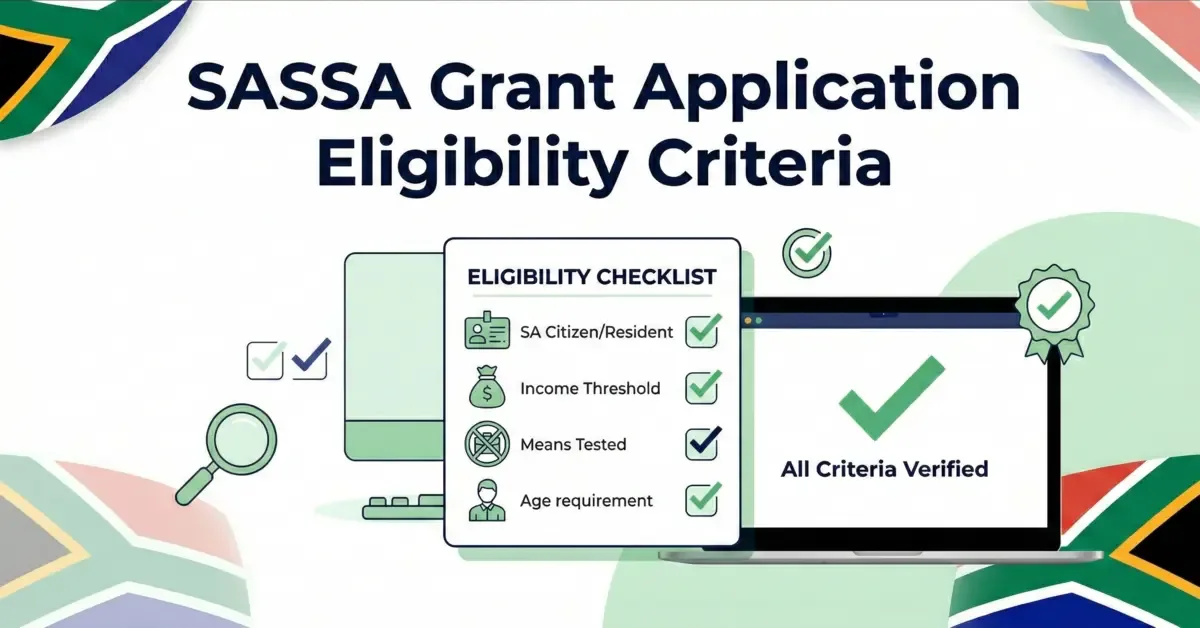
- Be a South African citizen, permanent resident, or refugee living in South Africa
- Be the parent, foster parent or a guardian appointed by the court
- Pass the means test - if single, income under R223 200 a year; if married, combined income under R446 400 a year (the income limit does not apply to foster parents)
The child must:
- Be under 18 years old and live in South Africa
- Have a severe disability certified by a state-appointed doctor
- Need full-time care and not be cared for full-time in a state institution
A caregiver may not claim this grant for more than six non-biological children.
Required Documents
- Your 13-digit barcoded South African ID and the child's birth certificate
- A medical report confirming the child's disability
- Proof of marital status and proof of income (salary slip, bank statement or pension slip - not required for refugee foster parents)
- The child's baptismal certificate, Road to Health card or school report, if available
- If you are not the parent: proof you are the primary caregiver, a social worker report, and the court custody order if you are a foster parent
No ID or birth certificate? Complete a SASSA affidavit in front of a commissioner of oaths (not a SASSA worker), bring a statement from a trusted person, and SASSA will take your fingerprints and refer you to Home Affairs.
Care Dependency Grant Payment Dates (2026/2027)
Children's grants are paid on the 4th in most months. If the date falls on a weekend or public holiday, payment moves to the next working day.
| Month | Care Dependency Grant Date |
|---|---|
| April 2026 | 08 April 2026 |
| May 2026 | 07 May 2026 |
| June 2026 | 04 June 2026 |
| July 2026 | 06 July 2026 |
| August 2026 | 06 August 2026 |
| September 2026 | 04 September 2026 |
| October 2026 | 06 October 2026 |
| November 2026 | 05 November 2026 |
| December 2026 | 04 December 2026 |
| January 2027 | 07 January 2027 |
| February 2027 | 04 February 2027 |
| March 2027 | 04 March 2027 |
Official source: SASSA media statement, 23 March 2026 - verify on SASSA News (Facebook).
How to Apply (Application Process)
- Visit your nearest SASSA office and bring the documents above, including the child's medical report.
- SASSA will refer the child to a state doctor for assessment.
- Complete the application form in front of a SASSA officer (only you or the officer may fill it in).
- Keep the receipt SASSA gives you as proof of your application.
When the Grant Is Suspended or Stops
The grant may be suspended if the child's situation changes, you do not cooperate with a review, you give false information, or there was a mistake when it was approved. It lapses if the child turns 18, the child dies, the child is admitted to a state institution, the child leaves South Africa, or the money is not collected for three consecutive months.
Good to know: applying is completely free. Never pay anyone to "help" you apply.
- The child’s severe disability must be certified by a state-appointed doctor - book this early.
- If you are a foster parent, your income is not counted.
- This grant pays far more than the Child Support Grant (R2,400 vs R580) - apply under the right one.
- Keep medical and therapy records updated for reviews.
Explore other SASSA grants
Old Age Grant · Disability Grant · Child Support Grant · Foster Child Grant · Grant-in-Aid · War Veterans Grant · SRD R370 Grant
← Back to the SASSA Grants hub
📚 Sources & References
Share this guide with someone who needs it.